home


    Page 1

    Page 2

    Page 3

    Back to 'tech. help'


    The sense and non sense of Emission testers continued (Diesel)

    This article aims to dispell some of the myths that seem to be around emission testers.


    Article No. 56 Page 3/3
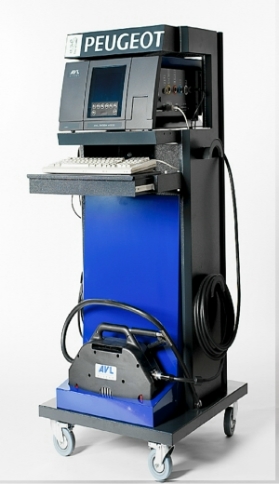
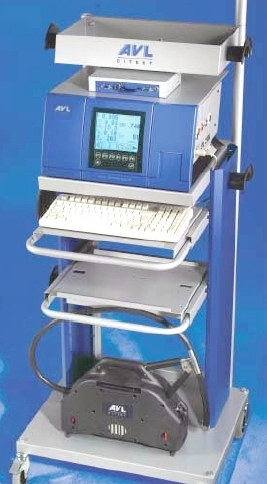
    AVL 4000 PEUGEOT OEM testerclick for AVL 4000 emission tester info


    Different measurment methodes

    Older and obsolete Diesel emission testers have a paper filter (pad) which is placed in a portion of the exhaust stream. The discolouration of the paper is measured by the tester and is a measure for the opacity. Some testers even use a light absorbtion measurement method on the pad. This is a very unprecise measurement and can not be off set to RPM, so for diagnostic purposes this method is not very usefull.

    Research Diesel emission testers catch the emissions samples in a 'bag'. The content of that bag are analised. The amount of gasses in molecular weight and weight of the particulates are measured, which will return very accurate readings. Again there is no offset to RPM possible, so for diagnostic purposes it is not a very usefull methode. Also this very precise tester is VERY expensive, so not a realistic option for any workshop.

    Air Fuel Ratio

    Fuel is made out of Hydro Carbons (HC's). The average chemical formula for common diesel fuel is C12H26, ranging from approx. C10H22 to C15H32.

    Air consists out of Nitrogen (N2 +/- 79%) and Oxygen O2 +/-20.8%).

    During the combustion process the Oxygen (O) from the air reacts with the Hydrogen (H) and with the Carbon (C) from the fuel. The ideal out come from this chemical reaction is :

    C12H26 + O2 + N2 = CO2 + H2O + N2 + Heat

    How ever all conditions need to be ideal for this, the mixture, the mechanical condition of the engine and the fuel quality.

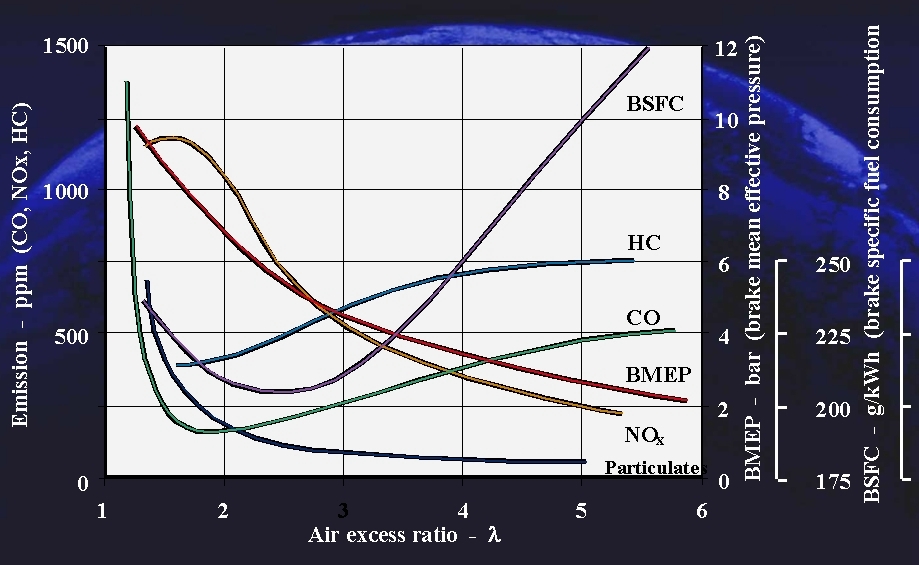
    Below is a graph indicating the relation between air fuel ratio (Lambda) emissions, power and smoke:


    AVL Emission graph

    Diagnostics

    Most modern Diesel emission testers have the ability to draw graph's indicating the relation between the engine's RPM and the opacity progression.

    The relation between the two graphs can indicate problems with injection timing, oil consumption, dripping injectors, etc.
    A section of the AECS training seminars deals with the diagnostic explanation of those graphs.

    AECS is the NZ importer of Brainbee and AVL diagnostic emission testers, and a well respected training provider.


    Back to 'tech. help'


    Back to 'Welcome'